Introduction
Walk into any Western coffee shop and you’ll find “chai lattes” on the menu. Order a cup of chai in Mumbai, and you’ll get something entirely different. The two drinks share a name and a vague family resemblance, but that’s about where the similarity ends.
Understanding the distinction matters — whether you’re a tea enthusiast, a health-conscious consumer, or someone who simply wants to know what they’re drinking.
What Is Masala Chai?
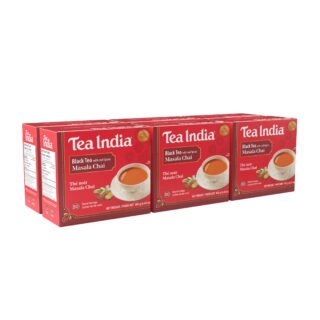
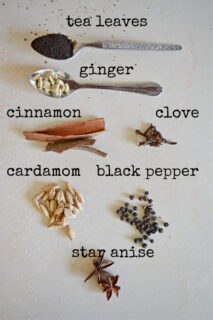
Masala chai is a stovetop-brewed beverage made by simmering strong black tea with whole spices (cardamom, ginger, cinnamon, cloves, black pepper), water, milk, and a sweetener. It originated in India and has been the country’s default daily drink for over a century.
Key characteristics:
- Brewed fresh from whole ingredients
- Strong, spicy, and aromatic
- Uses full-fat milk simmered with tea
- Sugar or jaggery added during brewing
- Served in small portions (typically 100-150ml)
What Is a Chai Latte?
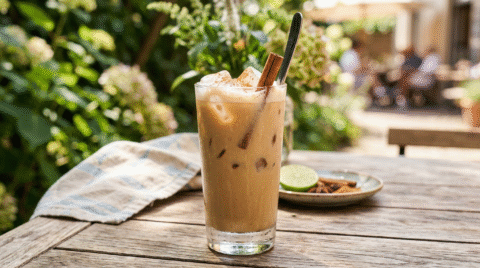
A chai latte, as served in most Western cafes, is made by mixing a pre-made chai concentrate or syrup with steamed milk — similar to how a caffe latte is made with espresso. The concentrate is typically produced commercially and contains liquid sugar, natural and artificial flavors, and sometimes preservatives.
Key characteristics:
- Made from concentrate or syrup + steamed milk
- Sweeter, milder, and less spicy
- Larger serving size (12-20 oz)
- Often customized with vanilla, honey, or alternative milks
- Flavor is more “dessert-like”
Head-to-Head Comparison
| Feature | Masala Chai | Chai Latte |
|---|---|---|
| Base | Whole spices + loose tea | Concentrate/syrup |
| Preparation | Stovetop simmered | Steamed milk + syrup |
| Spice intensity | Bold and complex | Mild and sweet |
| Sugar content | Low to moderate (adjustable) | High (pre-sweetened) |
| Caffeine | 40-70mg | 30-50mg |
| Calories (8 oz) | ~90-110 | ~180-250 |
| Cost (cafe) | $1-2 (India) / $3-4 (West) | $5-7 |
| Health benefits | High (whole spices) | Moderate (diluted) |
The Flavor Difference
This is the most significant gap. Masala chai delivers a multi-layered flavor experience — the initial hit of ginger, the floral lift of cardamom, the warmth of cinnamon, all underpinned by robust black tea. It’s assertive.
A chai latte, by contrast, is smooth, creamy, and sweet. The spice flavor is more of a suggestion than a statement. If you enjoy pumpkin spice lattes, you’ll likely enjoy chai lattes. If you want something with more character and depth, masala chai is the clear winner.
Which Is Healthier?
Masala chai wins this comparison easily. When you brew from whole spices, you get the full spectrum of bioactive compounds — gingerols, cinnamaldehyde, eugenol — in their natural form. You also control the sugar content.
Most chai latte concentrates contain 20-30g of sugar per serving, comparable to a can of soda. Some brands also use “natural flavors” instead of real spices, which means you’re getting flavor without the health benefits.
How to Get the Best of Both Worlds
If you love the creamy texture of a latte but want real chai flavor:
- Brew a strong masala chai using the stovetop method.
- Strain it and froth the chai using a milk frother or French press.
- Pour into a large mug and top with a thin layer of steamed milk.
You get authentic spice flavor with a latte-like mouthfeel — no syrup needed.
Conclusion
Neither drink is objectively “better” — they serve different purposes. Masala chai is a bold, traditional beverage with strong health benefits. A chai latte is a comfortable, accessible introduction to chai flavors. But if you’ve only ever had the latte version, you owe it to yourself to try the real thing.